Understanding Starfield Armor Modifiers ID: What Every Explorer Needs to Know
Starfield armor modifiers ID are the hidden codes that link in‑game armor pieces to their statistical tweaks, allowing players to fine‑tune defense, resistance, and mobility. Knowing which ID corresponds to which modifier lets you swap out a bulky suit for a lightweight kit without sacrificing critical protection, a decision that can shift the balance between survival and exploration in high‑risk sectors.
Scenario: Entering a radiation‑dense nebula
Imagine you’ve just breached the edge of a nebula where radiation spikes 20 % above ambient levels. Your default combat armor provides a flat 15 % radiation resistance, but the “Radiant Shield” modifier (ID 1024) adds an extra 10 % resistance while reducing overall durability by 5 %. If the nebula’s exposure time exceeds five minutes, the combined 25 % resistance becomes essential, even if you lose a small amount of durability. Players who pre‑identify the 1024 ID can swap in the modifier before the mission, avoiding the costly repair fees that often follow an unplanned breach.
Trade‑offs: Weight versus defensive bonuses
Every armor modifier ID carries an implicit cost–benefit curve. The “Titanium Plating” series (IDs 2001‑2004) grants up to +30 % kinetic protection, but each increment adds roughly 8 kg to the suit’s weight. In contrast, the “Nanofiber Flex” IDs (3005‑3007) shave 4 kg per level while diminishing kinetic protection by 5 %. For players who prioritize sprint speed in asteroid field chases, the nanofiber IDs are a practical compromise. Conversely, frontline troops engaging in heavy‑fire skirmishes will find the titanium IDs indispensable despite the bulk.
Comparison of the most commonly used IDs
- ID 1024 – Radiant Shield: +10 % radiation resistance, –5 % durability. Best for long‑duration exposure missions.
- ID 2002 – Titanium Plating Mk II: +20 % kinetic protection, +8 kg weight. Ideal for ship‑board combat where cover is limited.
- ID 3006 – Nanofiber Flex Mk III: –5 % kinetic protection, –4 kg weight. Suited for rapid‑movement scouting runs.
- ID 4008 – Thermal Insulation: +15 % heat resistance, no weight change. Critical for volcanic planet expeditions.
- ID 5000 – Adaptive Mesh: Dynamically balances protection across all damage types, but caps total bonus at 12 %. Useful for unpredictable encounter zones.
Realistic expectations for end‑game builds
Even with the most powerful IDs, the underlying armor tier caps the maximum benefit. A level‑50 “Aegis” frame can only accept modifiers that together raise its total defense to 250 points; any ID that would push the figure beyond that limit is ignored by the game engine. Players should therefore map their desired combat style, select a base suit that aligns with that style, and then stack IDs that complement rather than exceed the tier ceiling. This disciplined approach prevents the frustration of “over‑modding” a suit only to see the extra bonuses vanish.
Practical notes for tweaking IDs on the fly
Starfield’s UI lets you filter armor pieces by ID in the equipment menu, but the filter function is case‑sensitive and requires the exact numeric code. A quick workaround is to keep a cheat‑sheet of the IDs you use most often on a secondary device. When you encounter a new enemy type, consult the sheet, note the corresponding ID, and swap the modifier before the next combat round. This habit reduces downtime and ensures you always carry the most efficient defense package for the situation at hand.
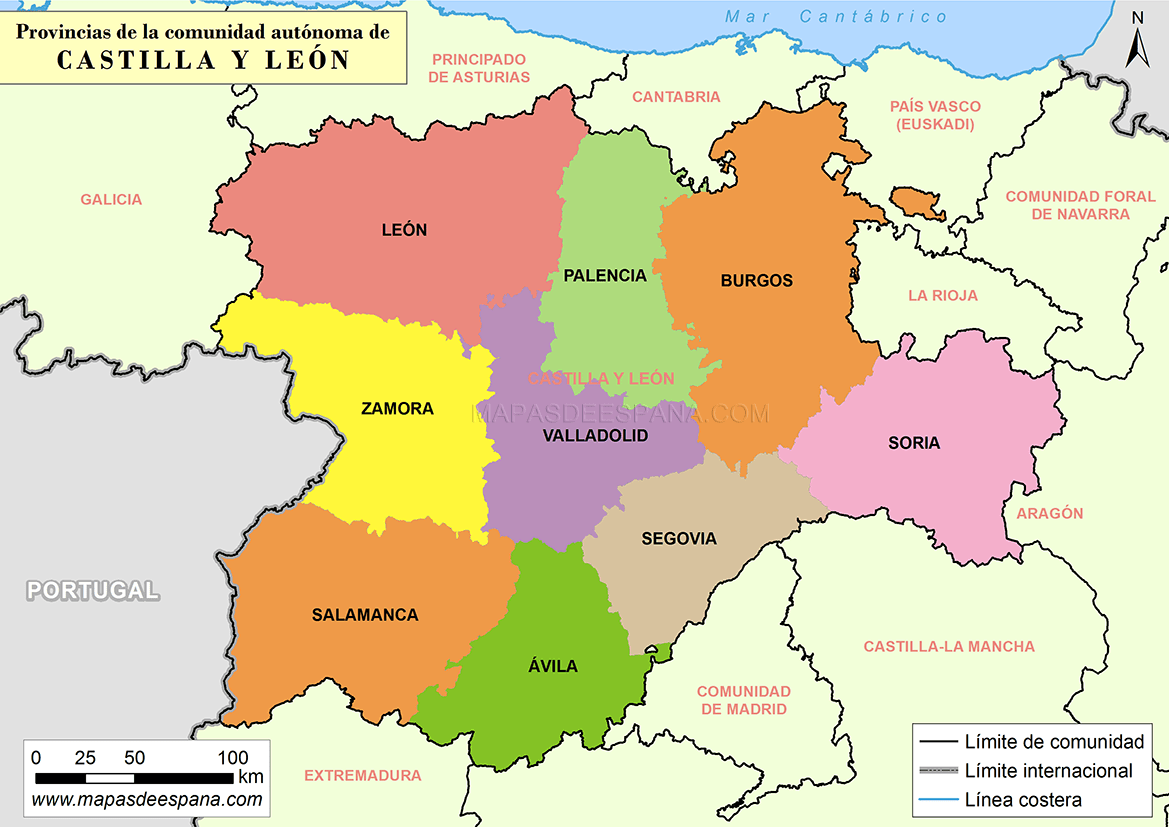
Mapa De Castilla Y León
Mapa de Castilla y León